Stop managing the pain.Fix what's causing it.
Chiropractic care built on measurement, not guesswork. We find the actual driver of your pain, show you the evidence, and give you a plan with an end date.
18,000+ patients since 2011

Every first visit
A 50-minute examination, the findings explained, and a written plan you keep.
Conditions we treat include low back pain, sciatica, herniated disc, neck pain, migraines, whiplash, shoulder impingement, plantar fasciitis, TMJ, vertigo, carpal tunnel, and hip impingement.
Est. 2011 · Columbus
We measure first. Everything else follows from that.
Most people arrive having already been told to rest, stretch, and hope. That is not a plan — it's a delay. Here is what we do differently.
We find the driver, not the symptom
Pain is a location. A driver is a mechanism. A full orthopedic, neurological, and movement exam separates the two before anyone touches you.
You see the same evidence we do
Range-of-motion numbers, imaging when it is warranted, posture capture. On screen, side by side, in plain language. Then again at the re-exam.
Every plan has an end date
You leave the first visit knowing roughly how many visits, over how many weeks, and what has to change for you to be discharged.
The part nobody puts on a website
Things we will never do to you.
- No long-term contracts signed before a diagnosis exists
- No adjustment you have not agreed to, every single time
- No "three visits a week, forever" as a default plan
- No supplement pitch at the front desk on your way out
Chiropractic has a reputation problem and it was earned honestly. We run the clinic as a direct response to it.

"If I can't explain why you hurt in one sentence you'd repeat to your spouse, I don't understand it well enough yet."
Dr. Elena Vance, DC — Clinic Director
Pain finder
Point at what hurts.
Every region sends us down a different diagnostic path. Pick a spot and we'll tell you what we usually find there, and what we'd do about it.
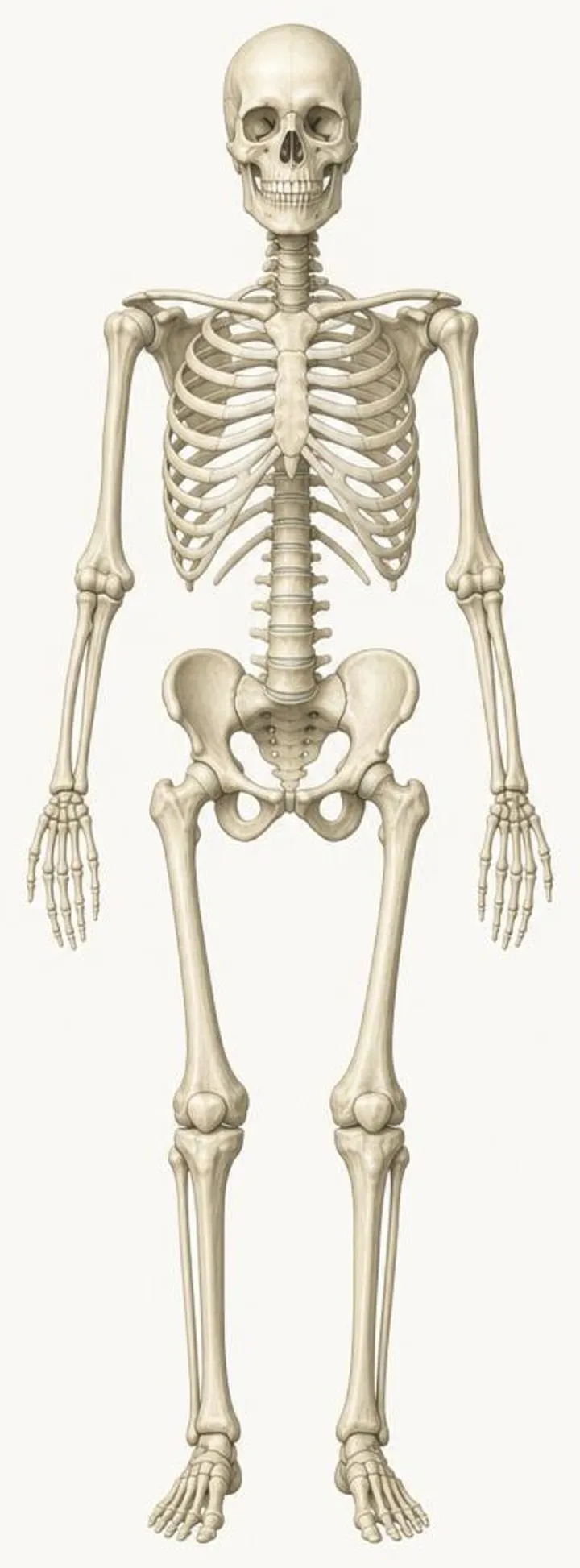
Illustrative anatomy — not a diagnostic tool.
Start here
Nine regions. Nine different conversations.
Pick a marker on the figure. We'll show you what usually turns up in that area, which conditions it maps to, and the treatment we'd reach for first.
Head + jaw
Most headaches start below the skull.
Tension and cervicogenic headaches are usually referred pain from the top two vertebrae and the suboccipital muscles. We test that directly before assuming anything neurological.
Conditions this maps to
Neck
Stiffness is a symptom, not a diagnosis.
We measure how far each cervical segment actually moves rather than eyeballing your posture. Restriction at C1–C2 behaves nothing like a lower-cervical disc problem, and the plans are different.
Conditions this maps to
Shoulder
The shoulder rarely acts alone.
Painful overhead reaching is usually a shared failure between the rib cage, the shoulder blade, and the rotator cuff. Treating only the sore spot is why shoulders keep coming back.
Conditions this maps to
Mid + upper back
The part of you that stopped rotating.
The thoracic spine is built to twist. When desks and phones take that away, your neck and low back borrow the motion — and pay for it. This is the most overlooked region in the body.
Conditions this maps to
Elbow + wrist
Numb hands are a nerve-path problem.
A nerve can be compressed anywhere from the neck to the palm. We test the whole path — neck, shoulder, elbow, wrist — so you are not braced for a problem that lives somewhere else.
Conditions this maps to
Low back
The reason most people find us.
Disc, joint, and muscular low back pain feel similar to you and behave completely differently under testing. Sorting which one you have is the entire first visit.
Conditions this maps to
Hip + glute
Deep, aching, hard to point at.
Hip pain that you cannot locate with one finger is usually joint or referred. Pain you can pin down is usually tendon. That single question changes the plan more than any image does.
Knee
Knees usually get blamed for the hip.
The knee is a hinge caught between two ball joints. When the hip or the foot stops doing its job, the knee absorbs the difference. We screen all three before touching the painful one.
Conditions this maps to
Foot + ankle
First steps out of bed tell us everything.
That specific pattern — worst in the morning, eases as you move, returns by evening — points straight at the plantar fascia. It is one of the most treatable things we see.
Conditions this maps to
What we do
Thirteen tools. We will only use the ones you need.
Every service here has a specific indication and a point at which we stop. If your exam does not support one of them, it will not appear on your plan.
Core chiropractic
Where most plans start
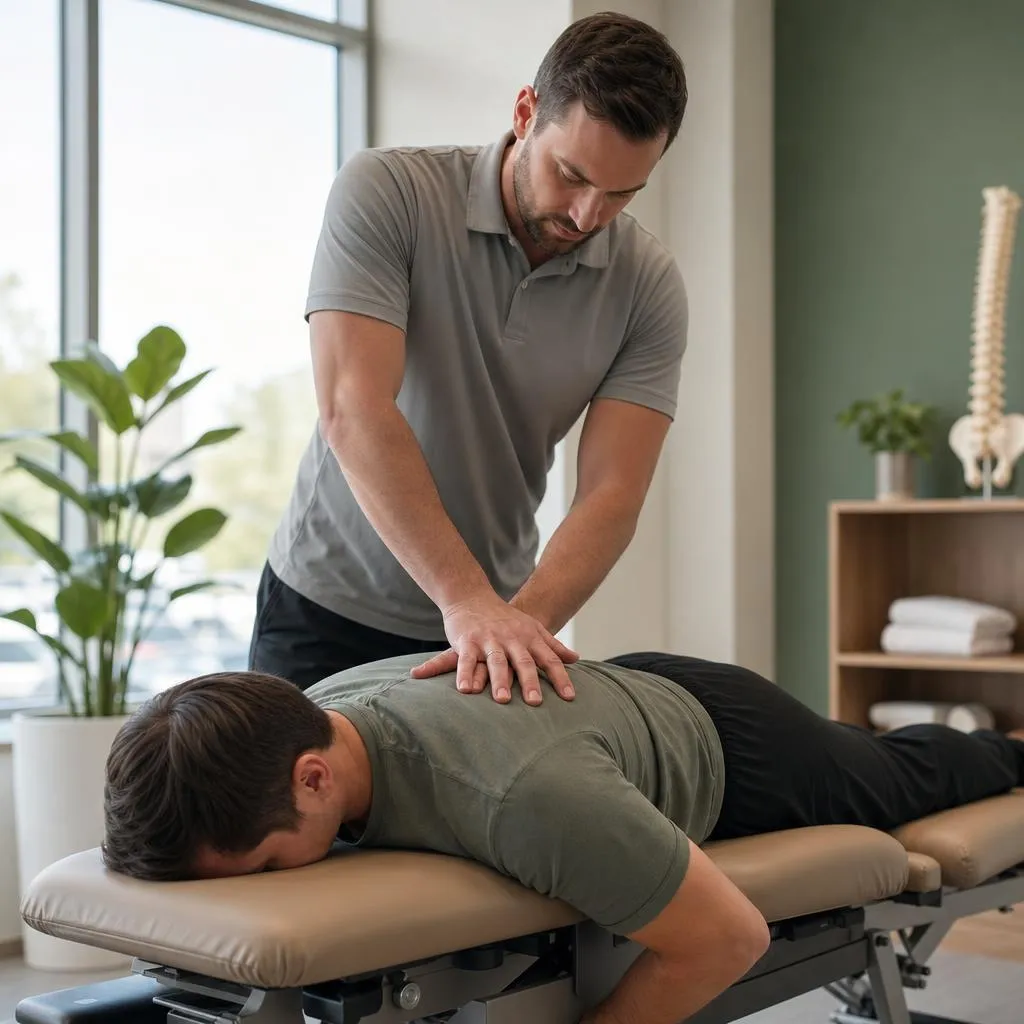
Adjustment
Restoring motion to the joints that stopped contributing.
Learn more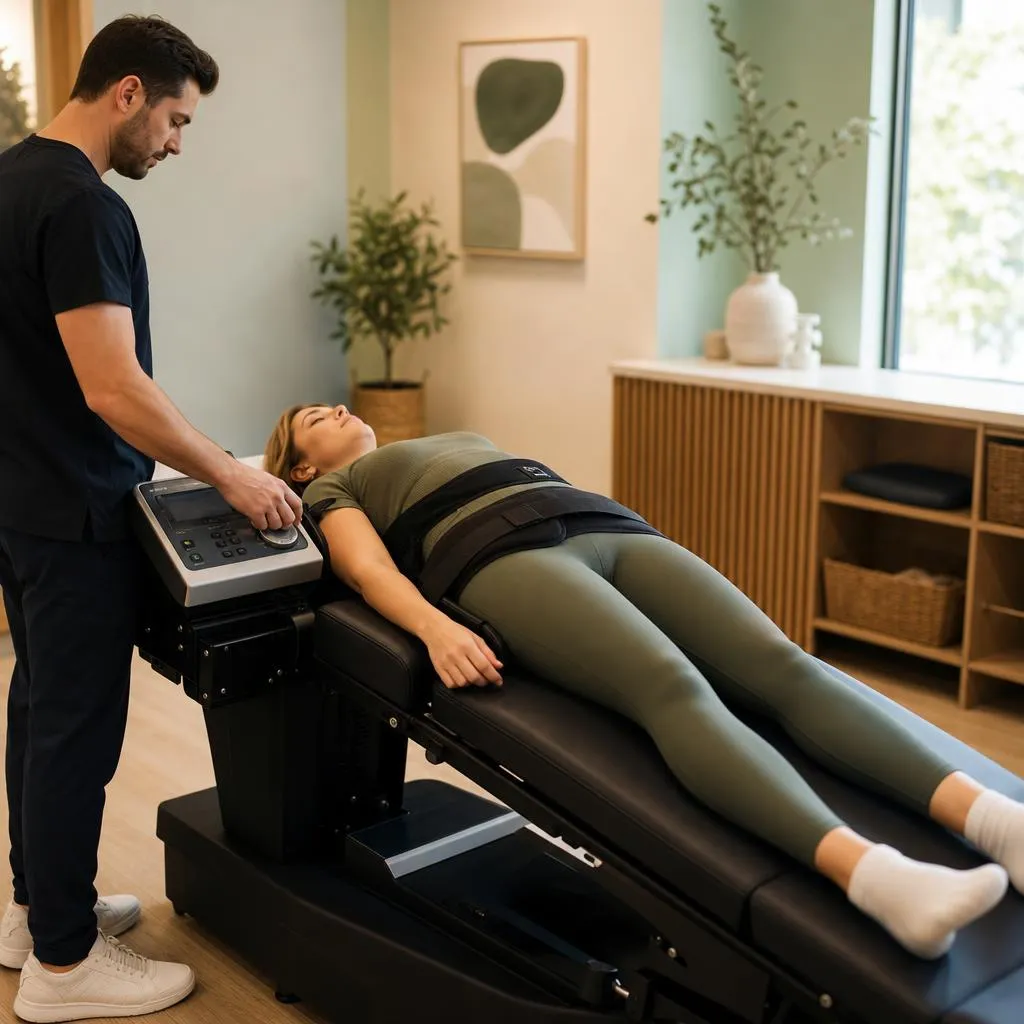
Decompression
Non-surgical traction for discs that are genuinely under load.
Learn more
Corrective exercise
The part that makes the results hold.
Learn morePosture + scoliosis
Measured, tracked, and honest about what can change.
Learn more
Soft tissue + recovery
What makes it hold

Massage therapy
Therapeutic soft tissue work, coordinated with your care plan.
Learn more
Dry needling
A thin filament into the exact knot that keeps referring pain.
Learn more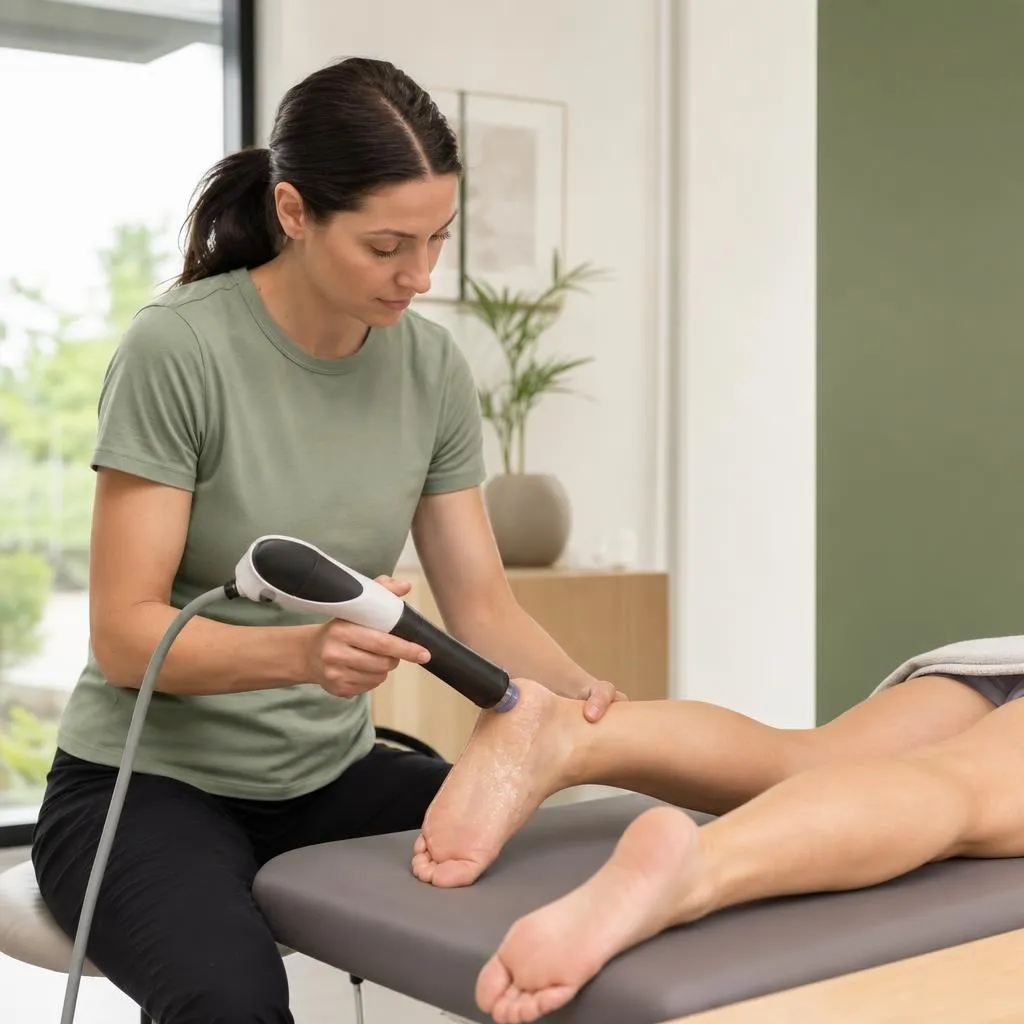
Shockwave
Acoustic pressure waves for tendons that stopped healing on their own.
Learn more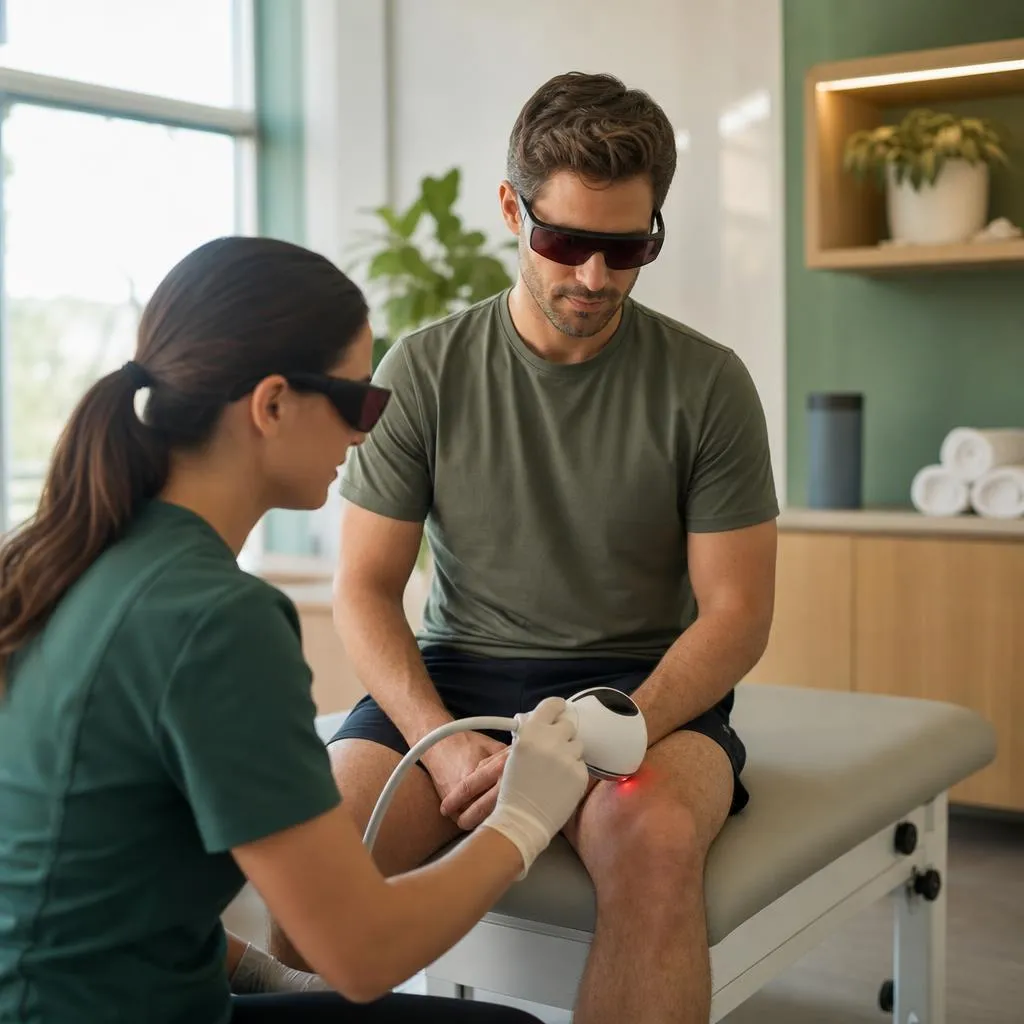
Class IV laser
Photobiomodulation for inflamed tissue and slow-healing injuries.
Learn more
Specialty programs
For specific situations
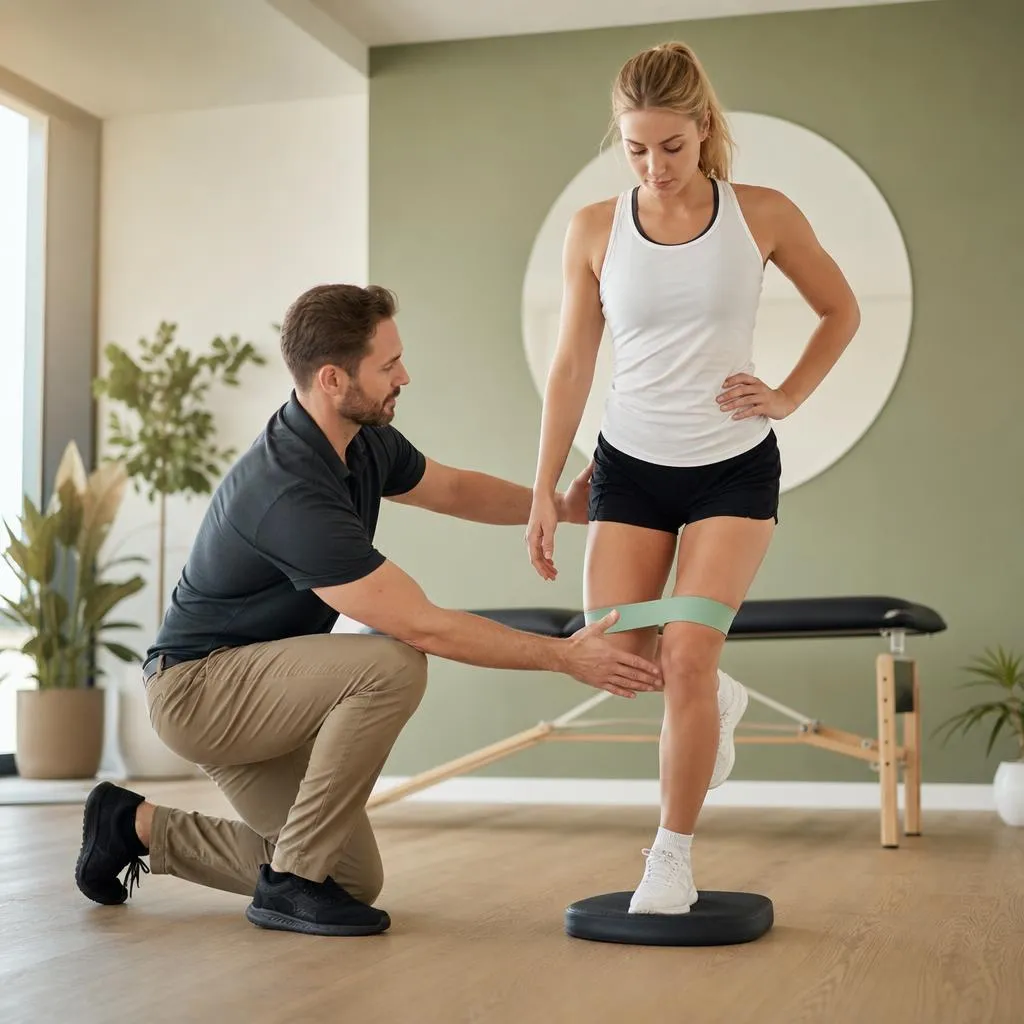
Sports performance
Built for people whose plan is to keep training.
Learn more
Auto accident care
Documented, defensible care from the day of the crash.
Learn more
Prenatal + pediatric
Gentle, appropriately scoped, and clear about what it is for.
Learn more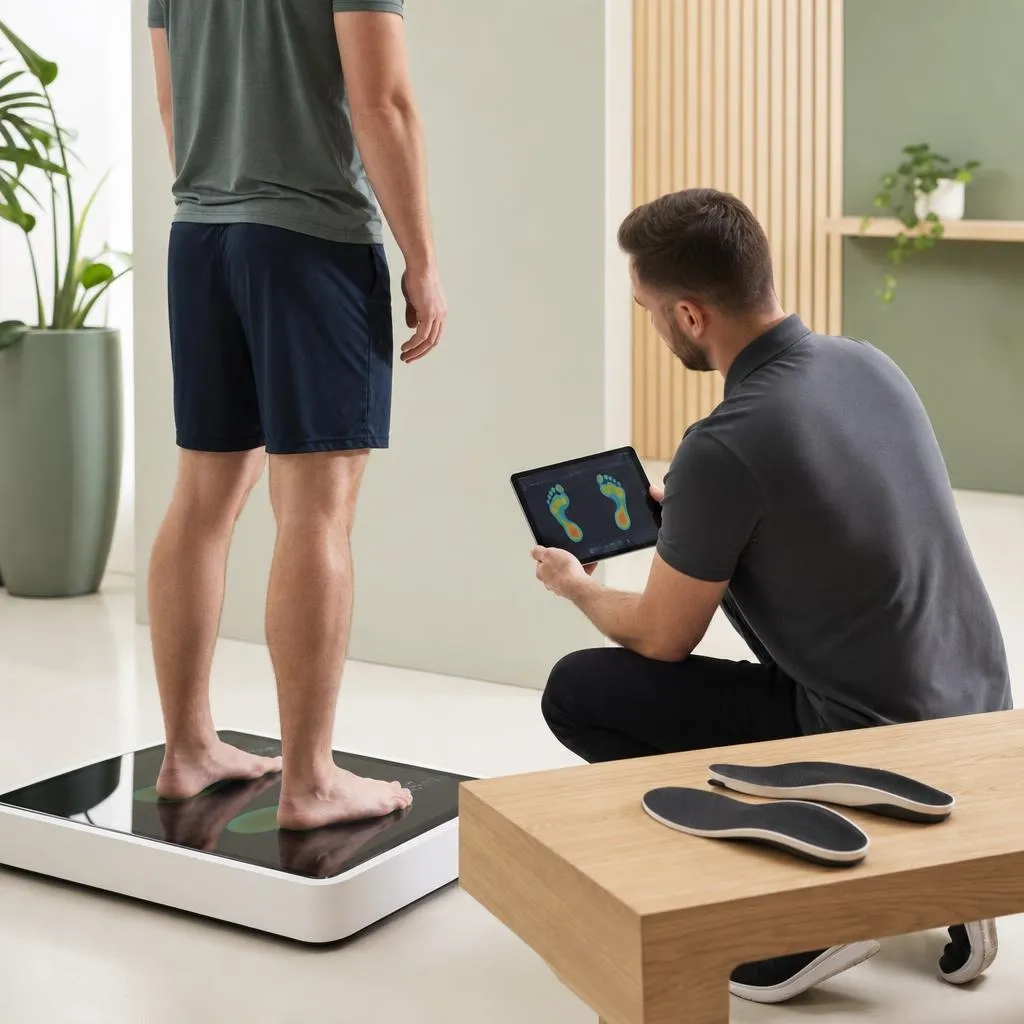
Custom orthotics
Scanned, prescribed, and only when the exam says you need them.
Learn more
Nutrition coaching
The boring fundamentals that actually move inflammation and recovery.
Learn more
How care actually runs
Four stages. No mystery at any of them.
You should be able to explain your own treatment plan to someone else. If you can't, we haven't done our job.
Visit one · 50 minutes
Find it
A real exam. History, orthopedic and neurological testing, segmental motion palpation, and a movement screen. X-ray or referral for advanced imaging only when a finding actually calls for it — not as a routine.
- Full case history
- Ortho + neuro testing
- Segment-by-segment motion
- Gait + loading screen

Same visit · before you commit
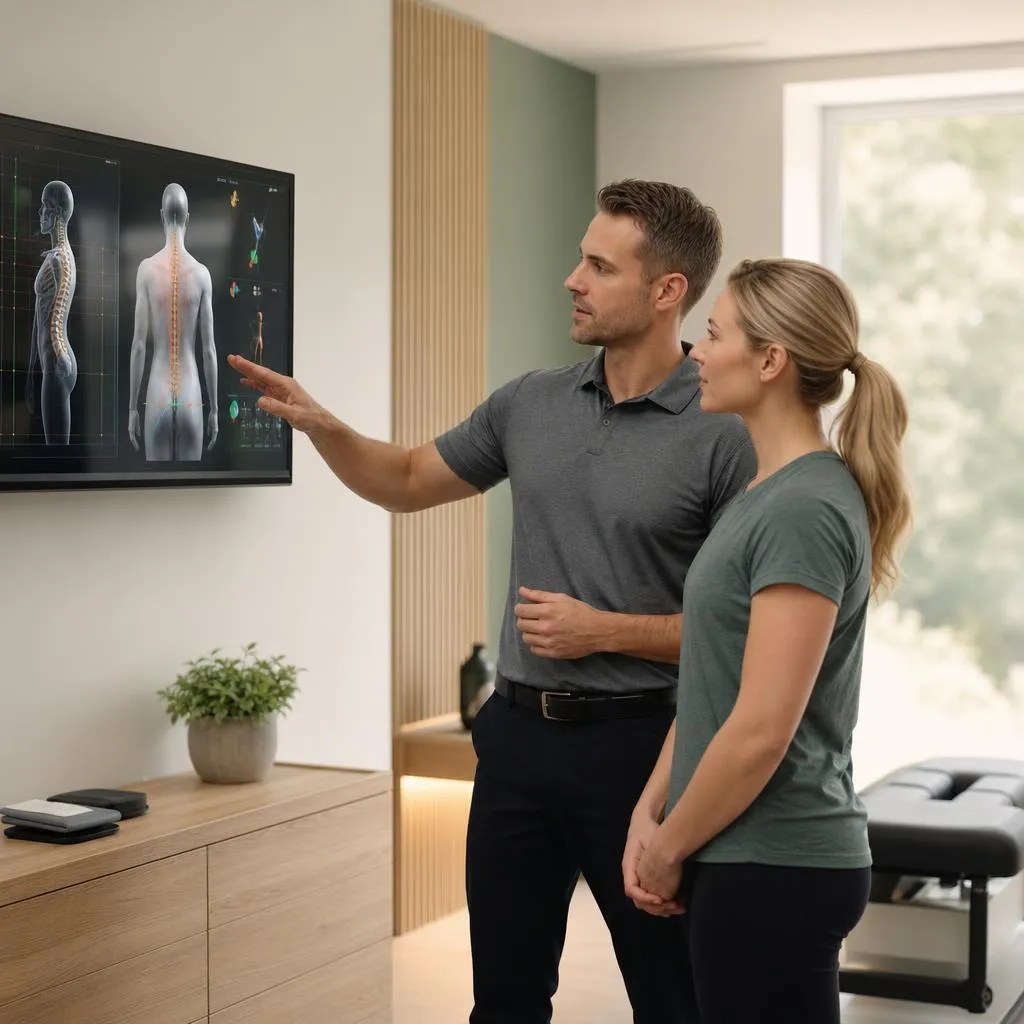
Prove it
We sit down and show you what we found on screen — what moves, what does not, and which finding explains your symptom. If the exam does not support a chiropractic diagnosis, you get a referral instead of a plan.
- Findings walkthrough
- Written working diagnosis
- Visit count + timeline
- Referral if it is not us
Weeks one to six, typically
Fix it
Adjustments where joints are restricted, soft tissue where it is guarding, decompression where a disc is involved, and loading where the tissue needs capacity. Re-exam at visit six against the numbers we started with.
- Targeted adjusting
- Soft tissue + modalities
- Progressive loading
- Re-exam at visit six
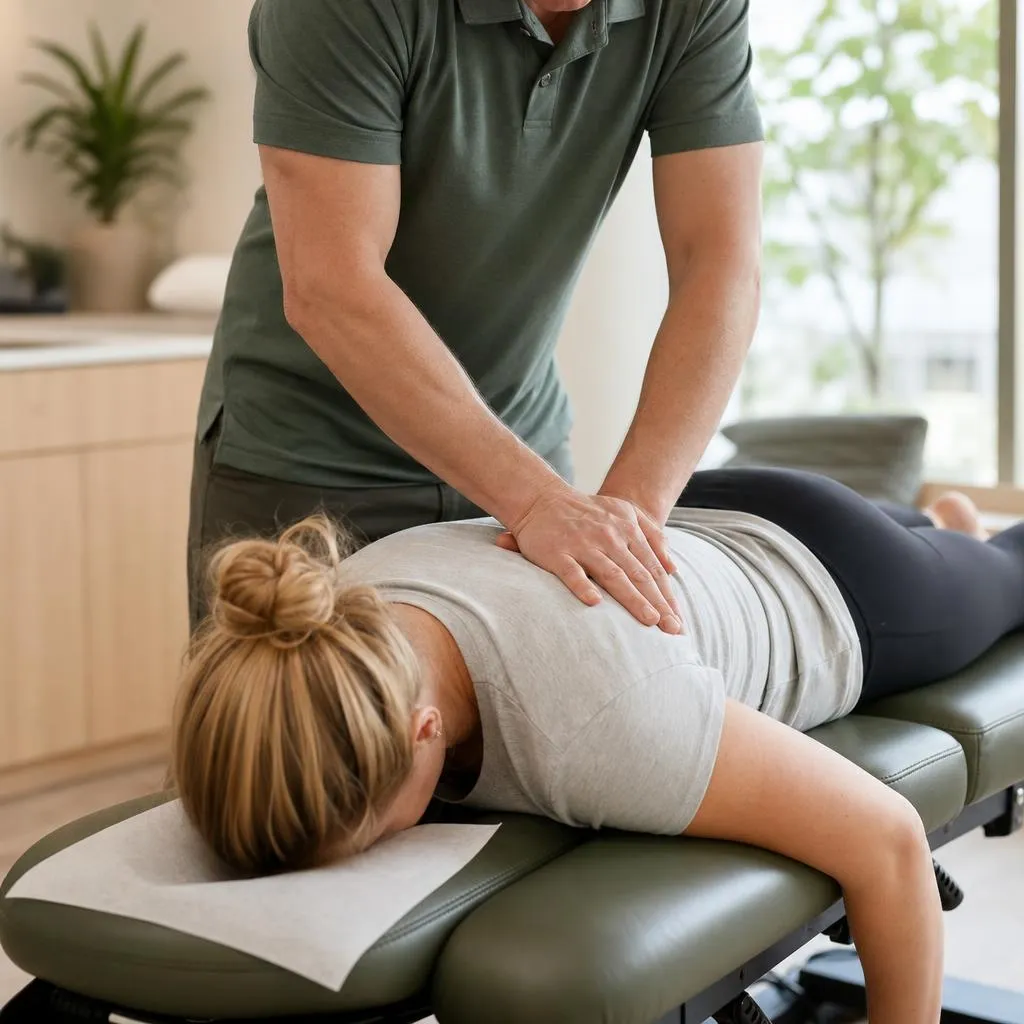
The part most clinics skip
Keep it
You leave with three or four exercises you will actually do and the specific signal that means come back. Most patients graduate. Some choose periodic maintenance — that is a preference, and we will tell you so.
- Home program that fits
- Return triggers, in writing
- Discharge is the default
- Maintenance only if you want it
Who you will see
Three people. You will know all their names by visit two.
Small on purpose. You see the same provider every visit, and they remember what you told them last time without reading it off a screen.

Dr. Elena Vance
DC, CCSPClinic Director
- Disc injury and radiculopathy
- Sports injury and return-to-play
- Complex cases that have failed elsewhere
Rows on the Scioto at an hour no reasonable person is awake, and is still slower than she was at 25.

Dr. Marcus Reyes
DC, MSAssociate Chiropractor
- Headache and upper cervical care
- Prenatal and postpartum
- Desk-based and repetitive strain injury
Plays upright bass badly and enthusiastically in a band that mostly practices.

Priya Anand
LMTLicensed Massage Therapist
- Clinical and medical massage
- Myofascial release
- Prenatal massage
Keeps a community garden plot that produces an unreasonable volume of tomatoes every August.
Your first visit
Nothing about this should be a surprise.
A lot of people put off getting seen because they do not know what they are walking into. So here is the whole thing, minute by minute.
- 01
You arrive
Paperwork was emailed to you, so you filled it in at home. Average wait in reception is six minutes. There is decent coffee and nobody will ask you to watch a video.
- 02
History, properly
Fifteen minutes of questions about what happened, what makes it worse, what you have already tried, and what you actually need to get back to. This is where most diagnoses are made.
- 03
The examination
Orthopedic testing, neurological screening, segment-by-segment motion assessment, and a movement screen. X-ray on site only if a specific finding calls for it.
- 04
The findings talk
We sit down at a screen and go through what we found and what it means, in language you would use with your family. You get a working diagnosis, a visit estimate, and a re-exam date.
- 05
First treatment
If the exam supports it and you consent, we treat the same day. Roughly one in twelve people leaves with a referral to another provider instead — that is a good outcome too.
- 06
You leave with something
A written plan, two or three things to do at home, and a clear description of what should change and by when. Nobody will call you about a package.
Come prepared
Four things to bring
Your insurance card
We verify benefits beforehand, but bring it anyway.
Any imaging you already have
Discs, reports, or a portal login. We will read it with you.
A list of medications
Including supplements. Some affect what techniques we use.
Clothes you can move in
Or use ours. We need to see you move, not just lie down.
$59 New Patient Visit — $285 value, and there is no obligation to book anything else.
Book your visitOr call (614) 555-0148In their words
612 reviews.Here are the honest ones.
4.9
Google average
"Three other places told me to rest and gave me a sheet of stretches. Dr. Vance spent fifty minutes actually testing things and told me it was a facet problem, not a disc. Different plan entirely. I was back on my bike in five weeks."
Daniel R.
Grandview Heights
"I got the number of visits and the end date on day one, in writing. Nobody had ever done that. I was discharged at visit nine and I have not needed to go back."
Priyanka S.
Dublin
"After the accident I could barely turn my head. What I appreciated most was that they never once pushed me toward an attorney or an aggressive treatment package. Just careful notes and steady progress."
Marcus T.
Bexley
"Sciatica down my left leg for eight months. The decompression course was not cheap and they told me upfront it might not work. By session six I could feel the pain retreating up my leg. Genuinely life changing."
Anne-Marie L.
Upper Arlington
"Three other places told me to rest and gave me a sheet of stretches. Dr. Vance spent fifty minutes actually testing things and told me it was a facet problem, not a disc. Different plan entirely. I was back on my bike in five weeks."
Daniel R.
Grandview Heights
"I got the number of visits and the end date on day one, in writing. Nobody had ever done that. I was discharged at visit nine and I have not needed to go back."
Priyanka S.
Dublin
"After the accident I could barely turn my head. What I appreciated most was that they never once pushed me toward an attorney or an aggressive treatment package. Just careful notes and steady progress."
Marcus T.
Bexley
"Sciatica down my left leg for eight months. The decompression course was not cheap and they told me upfront it might not work. By session six I could feel the pain retreating up my leg. Genuinely life changing."
Anne-Marie L.
Upper Arlington
"Dr. Reyes looked at my heel for ten minutes and then spent the rest of the visit on my calf and ankle. I was sceptical. The heel pain was gone in six weeks after eleven months of trying everything else."
Tobias W.
Clintonville
"Third trimester and I could not sleep. Marcus is Webster certified and, importantly, was straight with me about what the technique does and does not do. The pelvic pain was manageable within two visits."
Jordan K.
German Village
"They told me I did not need custom orthotics and to buy a $45 insert instead. Who does that? I have sent four people here since."
Ray O.
Worthington
"Priya reads the doctor notes before every massage, so it is never just a generic hour. She found rib restriction nobody had mentioned and it changed my whole treatment plan."
Camille B.
Columbus
"Dr. Reyes looked at my heel for ten minutes and then spent the rest of the visit on my calf and ankle. I was sceptical. The heel pain was gone in six weeks after eleven months of trying everything else."
Tobias W.
Clintonville
"Third trimester and I could not sleep. Marcus is Webster certified and, importantly, was straight with me about what the technique does and does not do. The pelvic pain was manageable within two visits."
Jordan K.
German Village
"They told me I did not need custom orthotics and to buy a $45 insert instead. Who does that? I have sent four people here since."
Ray O.
Worthington
"Priya reads the doctor notes before every massage, so it is never just a generic hour. She found rib restriction nobody had mentioned and it changed my whole treatment plan."
Camille B.
Columbus
Reviews are from real patients and shared with permission. Individual results vary; nothing here is a guarantee of outcome.
New patient special
$59 New Patient Visit
$285 value
A complete diagnostic first visit. Not a consultation that turns into a sales pitch — an actual examination with an actual answer at the end of it.
- Full consultation with the doctor
- Digital posture + movement screen
- Orthopedic and neurological exam
- X-rays on site if clinically indicated
- Same-day adjustment when appropriate
- A written plan you actually get to keep
Offer excludes Medicare, Medicaid, and personal-injury cases per federal guidelines. No obligation to continue care.
Insurance we work with
We verify your specific benefits before your first visit and give you a written estimate. No surprise bills, ever.
- Aetna
- Anthem Blue Cross Blue Shield
- Cigna
- UnitedHealthcare
- Medical Mutual
- Humana
- Medicare
- Auto / personal injury
- Workers' compensation
Not on the list? We see out-of-network patients at transparent cash rates and can provide a superbill for reimbursement. HSA and FSA accepted.
Full pricing + insurance detail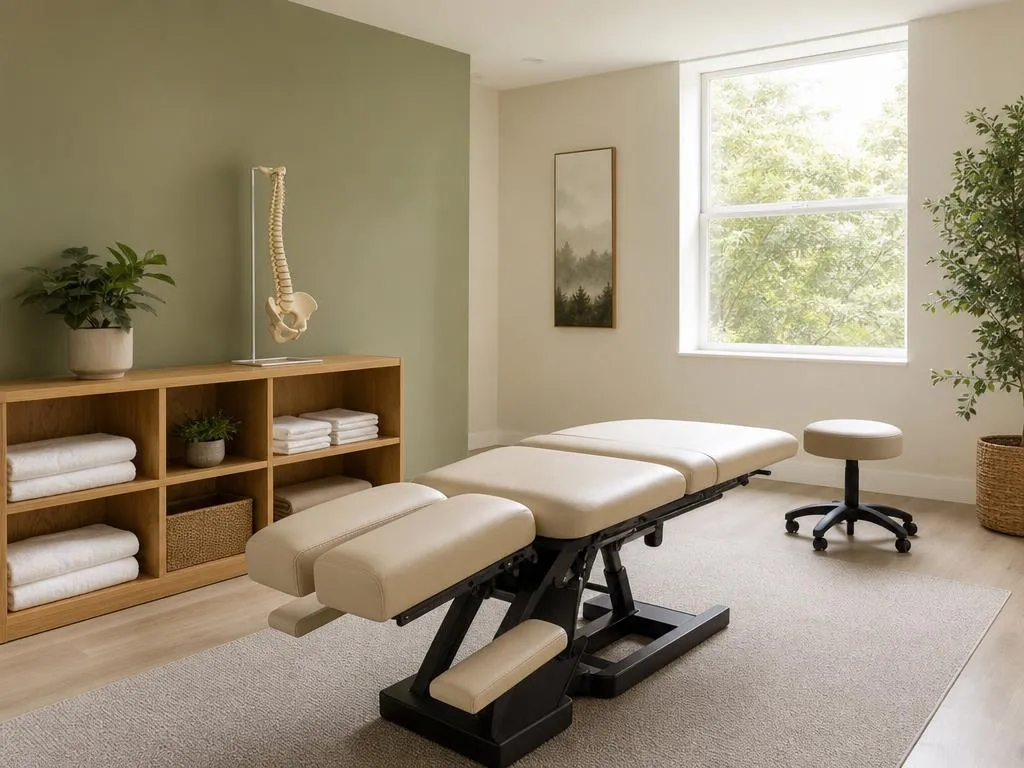
Questions
The things people ask before booking.
If yours is not here, call and ask. Somebody who can actually answer it will pick up.
Do I need a referral to be seen?
No. Chiropractors are primary contact providers in Ohio, so you can book directly. Some insurance plans require a referral for coverage — we check your benefits before your first visit and tell you where you stand.
Will it hurt?
The adjustment itself should not. Most patients describe relief rather than pain. Some people experience mild soreness the next day, similar to after a workout, and it settles within 24 hours. Soft tissue work and shockwave therapy are more uncomfortable, and we tell you that before you agree to them.
How long is the first visit?
About 50 minutes. That covers a full history, orthopedic and neurological testing, a movement screen, a walkthrough of the findings, and treatment where appropriate. Follow-up visits are typically 15 to 25 minutes.
How many visits will I need?
Most new complaints resolve in 6 to 12 visits. You will get an estimated visit count and a re-examination date at the end of your first appointment, in writing. If the numbers have not moved at the re-exam, we change the plan or refer you elsewhere rather than continuing.
Do you take my insurance?
We are in network with Aetna, Anthem Blue Cross Blue Shield, Cigna, UnitedHealthcare, Medical Mutual, and several others. We verify your specific benefits before your first visit and give you a written estimate, so nothing arrives as a surprise afterward.
What if chiropractic is not the right treatment for me?
Then we tell you and help you find the right provider. Roughly one in twelve people who come here for an initial exam leaves with a referral instead of a treatment plan. We would rather do that than treat something outside our scope.
Is neck adjustment safe?
For most people, yes, and serious adverse events are rare. We screen for vascular and structural risk factors before any cervical work. If you would prefer not to have your neck manipulated, say so — instrument-assisted and mobilisation techniques produce comparable results and we use them routinely.
Can I come in the same week?
Usually yes, and often the same day. We hold slots for acute pain and collision injuries specifically. Average wait time in the reception area is about 6 minutes.
Ready when you are
The exam isthe whole thing.
Book it, come in once, and leave knowing what is actually wrong and what it takes to fix. If that turns out not to be us, we will tell you that too.
The clinic
1420 Granville StreetSuite 210
Columbus, OH 43215Open in Maps
- Monday
- 7:00 AM – 6:30 PM
- Tuesday
- 9:00 AM – 6:30 PM
- Wednesday
- 7:00 AM – 6:30 PM
- Thursday
- 9:00 AM – 6:30 PM
- Friday
- 7:00 AM – 2:00 PM
- Saturday
- 8:00 AM – 11:00 AM
- Sunday
- Closed
Suite 210, second floor. Elevator access from the Granville Street lobby. Accessible parking directly outside the north entrance.
Meridian Spine + Performance is located at 1420 Granville Street, Suite 210, Columbus, OH 43215.