Service
Clinical Massage Therapy
Therapeutic soft tissue work, coordinated with your care plan.
- Visit length
- 30, 60, or 90 minutes
- Typical course
- Weekly during active care, then as you like
- Discomfort
- You set the pressure. Always.
- Insurance
- Sometimes, when medically necessary and prescribed
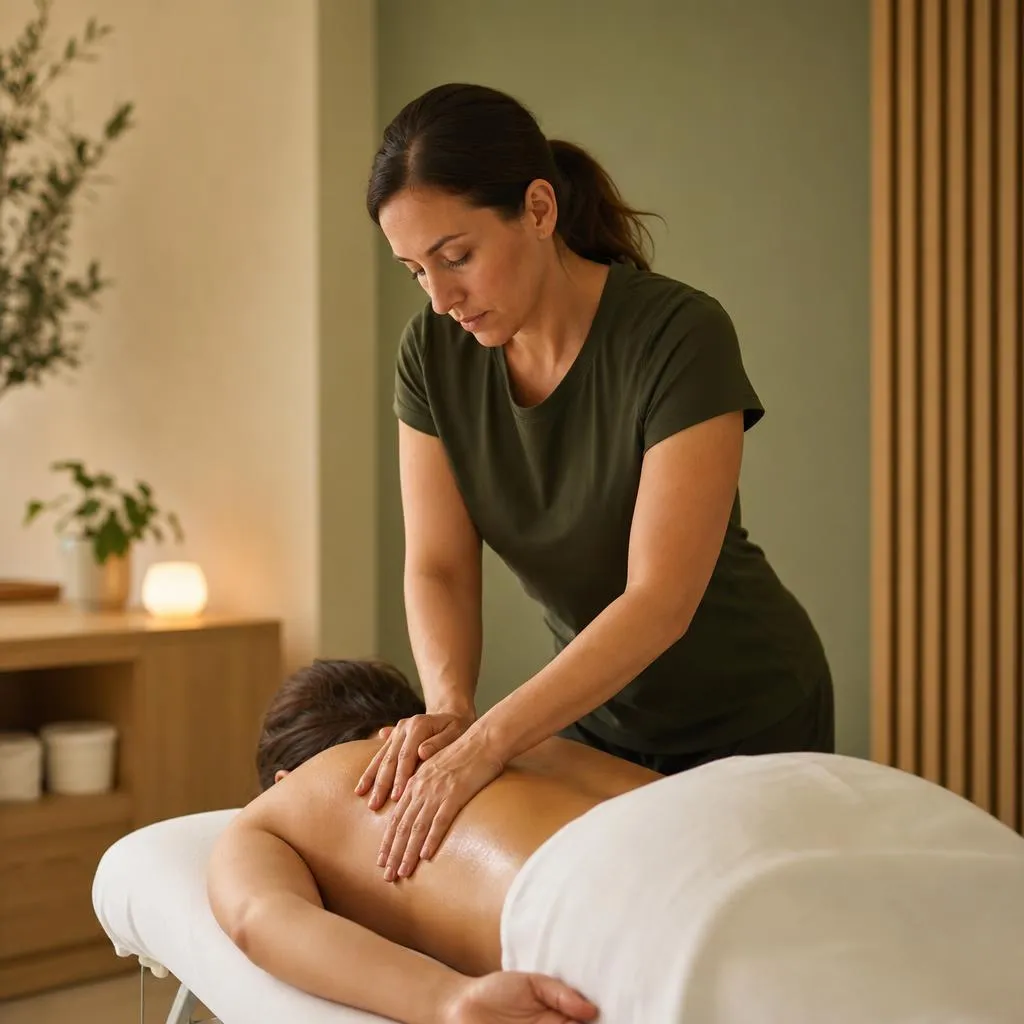
Licensed massage therapy aimed at the tissue your exam actually flagged — booked before your adjustment when guarding is the obstacle, after when recovery is.
Muscle and joint problems travel together. A joint that stops moving well gets splinted by the muscles around it, and muscles that stay short and tense keep pulling that joint back toward the position that caused the trouble.
Treat one and ignore the other and you get relief that lasts until Thursday.
Why we run it in-house
The value is not the massage itself — you can get skilled hands in a lot of places. It is that your therapist has read your exam findings, knows which segment was restricted, knows what the doctor did last visit, and writes notes that come back into your chart.
When soft tissue work and manual care are coordinated, the adjustments hold longer and the total number of visits usually drops. When they are run as separate businesses on separate schedules, that coordination is nobody’s job.
Choosing a length
- 30 minutes — one region, focused, usually paired with a same-day adjustment.
- 60 minutes — the standard. One primary region plus its neighbours.
- 90 minutes — full body, or a complex multi-region case where 60 always runs short.
Insurance, honestly
Massage therapy coverage is inconsistent and depends heavily on your plan, whether it is prescribed, and whether it is billed alongside other care. We will check your benefits and tell you what it costs before you book, not after.
How it runs
Read the chart first
Your therapist reviews the doctor's findings before you get on the table. The session targets what the exam found, not whatever feels tight that day.
Work the relevant tissue
Trigger point release, myofascial work, deep tissue, or lighter lymphatic and relaxation techniques depending on what the tissue needs. Often several within one session.
Report back
The therapist notes what they found — tone, texture, tenderness, change — and it goes in your chart. That feedback frequently changes the treatment plan.



Massage therapy
What people ask about this.
Should I book massage before or after my adjustment?
Before, when muscle guarding is preventing a joint from being adjusted well. After, when the adjustment is landing fine and you are managing post-treatment soreness. Ask at the desk and we will sequence it for you — it genuinely matters.
Does deeper mean better?
No. Pressure past your tolerance makes tissue guard harder, which is the opposite of the goal. The right pressure is the most you can receive while staying relaxed. Speak up during the session; a good therapist wants the feedback.
Will I be sore afterward?
Sometimes, for a day, particularly after deeper work. Significant soreness lasting more than 48 hours means the session was too aggressive, and we will dial it back next time.
Is this a spa massage?
Different intent. A spa massage is built around relaxation, which is a legitimate and valuable thing. Clinical massage is built around a specific tissue finding and a treatment goal. Many patients find it relaxing anyway.
New patient special — $59 New Patient Visit
Not sure massage therapy is what you need?
That is exactly what the first visit determines. If the exam points somewhere else, we will tell you — and if it points outside this clinic, we will refer you.
Columbus, OH · Same-week appointments · Most insurance accepted